z-z740325146125.webp)
ANDY CULPEPPER

Culpepper's Story
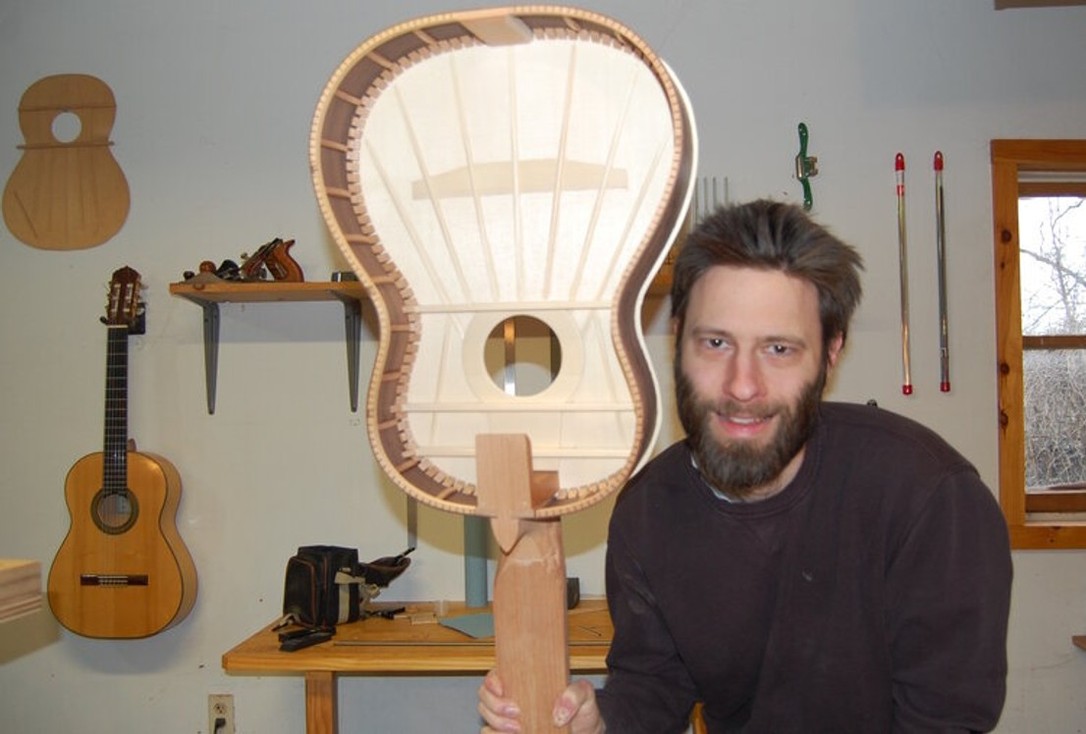
Andy Culpepper ชายหนุ่มผู้หลงรักการทำกีตาร์ เขาเริ่มเล่นกีตาร์คลาสสิกเมื่ออายุ 17 ปี ต่อมาได้หลงใหลในกีตาร์ฟลาเมงโก และได้ศึกษาการเล่นกีตาร์ฟลาเมงโกในสเปน Andy เคยออกการแสดงเดี่ยว การเล่นวงและเล่นประกอบการแสดงเต้นรำเป็นจำนวนมาก เช่นเดียวกับนักสร้างกีตาร์หลายๆท่าน นั่นเป็นจุดเริ่มต้นในการพยายามสร้างกีตาร์ที่สมบูรณ์แบบให้กับตัวเอง
Andy เชื่อว่า กีตาร์ที่ดีที่สุดมาจากการออกแบบและสร้างตามประเพณีของกีตาร์สเปนต้นแบบ โดยแนวคิดของ Antonio de Torres (1817-1892) ผู้เป็นนักทดลองและนักประดิษฐ์ เป็นผู้ที่สามารถสร้างโทนเสียงที่ตอบสนองต่อการเล่นได้ดีเยี่ยม โทนเสียงที่ฟังชัดเจน สม่ำเสมอ สวยงาม สามารถโอบล้อมผู้ฟังด้วย "เสียงเซอร์ราวด์" ซึ่งนับเป็นประสบการณ์ที่สมบูรณ์แบบสำหรับการแสดงในคอนเสิร์ตฮอลล์
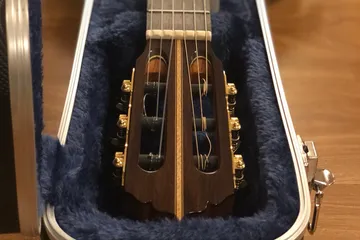
Andy เรียนรู้งานฝีมือและทำงานร่วมกับ Richard Cogger ผู้ผลิตกีตาร์คลาสสิกและฟลาเมงโกชั้นเยี่ยมใน Ithaca อยู่สอง-สามปี ก่อนจะก่อตั้งร้านเล็กๆเป็นของตัวเอง ซึ่งเขายังคงทำงานอยู่ที่นี่จนถึงปัจจุบัน กีตาร์ของเขาสร้างความประทับใจให้กับผู้ครอบครองเสมอโดยมักจะกล่าวว่า กีตาร์ของ Andy เป็นเครื่องดนตรี "สำหรับผู้เล่น" อย่างแท้จริง เล่นง่ายและตอบสนองได้ดีทั้งต่อทั้งมือซ้ายและมือขวา
Andy รักการทำกีตาร์ทุกขั้นตอนด้วยมือผ่านเครื่องมือช่าง ซึ่งจะสามารถควบคุมคุณภาพของกีตาร์ด้วยวิธีนี้ได้ดีมากยิ่งขึ้น

I grew up around a lot of trees, and enjoyed taking long walks in the woods as a child. Whenever I would see a tree that was forked close to the ground, I would proclaim, "that's my office"! While my office may not actually be in a tree, being surrounded by wood and having the ability to make it sing has to be the next best thing.
As a maker and a player I'm rooted in the Spanish guitar tradition. I think the best guitars are still to be made by drawing on the designs and ideas of Antonio de Torres (1817-1892). Torres was a constant experimenter and inventor. The "open bar" system of top bracing, where the outer fan struts pass through openings in the harmonic bars, was an innovation of Torres.
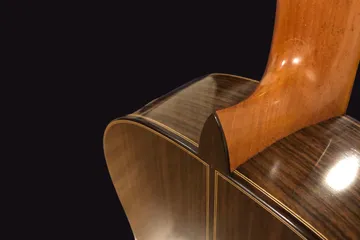
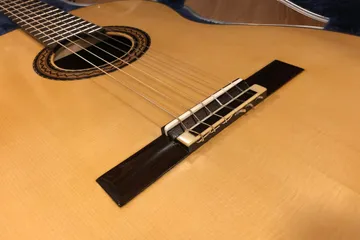
I learned the craft of lutherie from Richard Cogger, a very fine classical and flamenco guitar maker in Ithaca. I shared a workspace with him for a couple of years before establishing my own small shop. My setup is simple with few power tools. I prefer to do everything by hand using mostly hand tools, as I feel I have more control over the quality of my work that way. I assemble my guitars in the traditional Spanish method, by first joining the neck to the top to precisely establish the centerline of the guitar. This assembly is placed face down on a solera, or workboard, and the sides are slotted into the heel block, and glued to the top with individual glue blocks called tentalones. Finally the back is fitted and the box is closed. I glue the bridge on before finishing, because I like to play all my guitars "in the white" and refine the voice by sanding the top if necessary.
Finally, the entire guitar is finished in French polish of shellac, applied completely by hand with the traditional muñeca, or cloth pad.


